


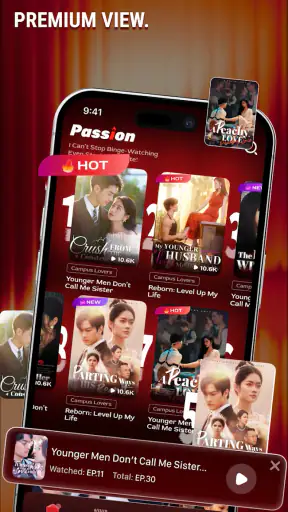


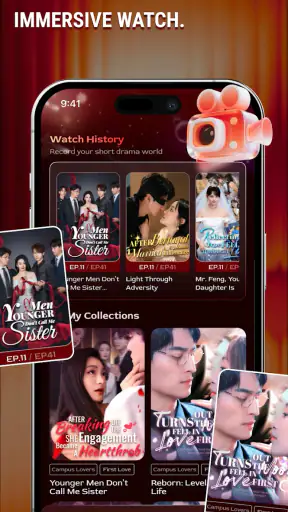
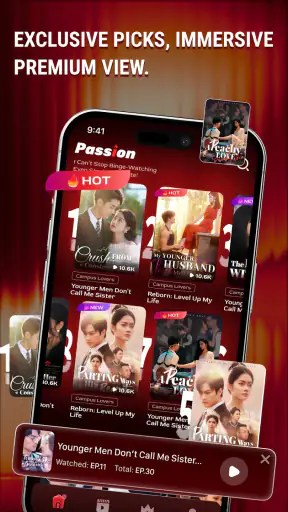


Passion Drama Pro is the kind of entertainment app that can feel immediately inviting when I want a short break rather than a full evening commitment. Its focus is premium drama storytelling, and the appeal comes from being able to open a story, settle into its emotional rhythm, and stop when my available time runs out. I reviewed it as a free app from medyem, and my overall impression is that it has a clear place for viewers who enjoy serialized drama on a phone, especially when convenience matters more than a large, complicated catalog.
The first thing worth understanding is what this app is not. I would not choose it as a replacement for a broad streaming service if I wanted films, documentaries, live channels, or several unrelated genres in one place. Its identity is narrower. That narrower focus is useful when I already know I want dramatic stories, but it also means the app has to keep delivering enough fresh viewing value to justify staying installed after the initial curiosity fades.
From the first week to a lasting viewing habit
Why the opening experience works
During the first week, the strongest advantage is simplicity of purpose. I do not have to decide between a huge range of entertainment formats before starting. Passion Drama Pro presents itself as a dedicated destination for premium stories, so the decision is more about choosing what mood I am in than figuring out what the app is for. That makes it easy to use during a commute, while waiting for an appointment, or at home when I want something more engaging than casual scrolling.
The app is free to install, which lowers the barrier to trying it. It carries a Teen content rating, so I would still treat it as an app for older children, teenagers, and adults rather than assuming every story is suitable for younger viewers. That is a small but important point for families sharing a device. I would check the story itself before handing the phone to a child, especially when dramatic themes are a concern.
What I like about a focused drama app is the reduced effort between opening the screen and actually watching. In a general streaming service, I can spend longer browsing than viewing. Here, the format encourages a more direct choice. That is especially helpful at night, when I want a story with a clear emotional direction but do not want to compare endless thumbnails.
A realistic everyday scenario is a ten-minute break after work. I can begin an episode or story segment, follow the main conflict for a while, and leave before the break ends. Later, I can return to the same narrative instead of starting another unrelated program. This kind of repeatable use is more valuable to me than a flashy first session because it shows whether the app fits ordinary routines.
How to test it without turning the first week into a chore
My advice is to avoid trying to sample everything immediately. Pick one story that genuinely matches your mood and give it enough attention to learn whether the pacing suits you. If I jump between several titles only because they are available, I can mistake browsing excitement for lasting interest. The better test is whether I naturally want to return to the same story on another day.
I would also use the first week to notice how well the app fits my viewing environment. Short sessions reveal whether the experience feels comfortable on a phone, while a longer evening session exposes whether the story selection can hold attention. This distinction matters: an app can be excellent for quick emotional escapes but less satisfying as a main source of entertainment.
The current version is 1.0.5, so I approach it as a relatively early product rather than something I expect to be completely settled. That does not make it a poor choice, but it does make regular updates and day-to-day smoothness more important to watch. Early versions can feel fresh and focused, yet their long-term value depends on how consistently the developer maintains the experience.
Who will enjoy the first-week appeal most
I think the app is a strong match for people who already enjoy dramatic serial storytelling and prefer watching on a mobile device. It also suits viewers who like having one entertainment purpose in an app instead of navigating a large general-purpose platform. If you often watch in short sessions, the focused format can feel more practical than opening a service designed around long films or broad television libraries.
On the other hand, I would skip it if I need a wide selection of genres, offline flexibility, family programming, or a single subscription that covers every kind of viewing. I would also be cautious if I dislike stories that encourage continued viewing from one segment to the next. The emotional pull that makes serialized drama enjoyable can feel tiring when I want a self-contained experience.
What determines month-to-month value
The first month is where novelty starts to disappear. Once the initial discovery phase is over, the app has to answer a more practical question: do I still have a reason to open it several weeks later? For me, the answer depends less on the name or presentation and more on whether the available stories continue to match my interests without making me feel pressured to spend.
The app has a 4.7 average from around 99 thousand ratings, and it has passed 5 million installs. Those figures suggest that many people find the concept appealing, but they do not replace personal testing. A high average can tell me that the broad experience is connecting with users; it cannot guarantee that the story style, pacing, or payment structure will suit my habits.
The free entry point is helpful for building a routine, but the presence of in-app purchases changes how I judge recurring value. Individual items range from $0.99 to $29.99, so I would not treat the app as automatically cost-free just because installation costs nothing. Before buying anything, I would decide whether I am paying to support a story I am already enjoying or simply paying to escape a moment of impatience.
That distinction is one of the most useful habits I found. If I am watching late at night and feel compelled to continue immediately, I am more likely to make an impulsive purchase. A better approach is to pause, note the story I want to continue, and return later. If the desire remains after a day or two, the purchase decision is more deliberate. This is a small workflow, but it protects the entertainment budget without taking away the option to spend.
For month-to-month use, I would judge the app by three questions. Do I still discover stories that fit my taste? Can I enjoy the free experience without feeling blocked at every turn? And does returning feel like a pleasant habit rather than an obligation? If the answer to the first two becomes no, the app will probably lose its place on my phone even if the initial experience was enjoyable.
A practical routine for recurring value
I would use Passion Drama Pro as a planned part of my entertainment rotation rather than leaving it open all day. For example, I might reserve it for a short evening session a few times a week, then use a broader streaming app when I want films or a different genre. This prevents the focused catalog from feeling repetitive and gives each app a clear job.
Another useful approach is to separate discovery from commitment. During one session, I can browse and identify a story. During the next, I can watch without repeatedly searching. That reduces the feeling that every visit demands a new decision. It also makes it easier to recognize whether the app is providing continuing value or merely benefiting from the excitement of unfamiliar content.
I would not recommend paying for several items at once simply to build a backlog. Drama viewing is mood-dependent, and a story that looks appealing today may not be what I want next week. Buying only when I am ready to continue keeps the app flexible and makes the cost easier to evaluate against actual use.
The maintenance burden is modest, but not invisible
Maintaining an entertainment app should be easy, and this one does not need to become a project. The main burden is attention: remembering what I am watching, managing my expectations around free and paid access, and deciding whether the app still deserves storage space. That is more significant than technical maintenance because entertainment apps compete for time as much as they compete for device capacity.
I would periodically review whether I am opening it naturally or only because I feel I ought to finish something. If several weeks pass without genuine interest, uninstalling it is reasonable. A focused drama app earns its place through repeated enjoyment, not through guilt about unfinished stories. Reinstalling later is always more sensible than allowing a rarely used app to clutter my routine.
Version 1.0.5 also makes it sensible to keep an eye on how the app behaves after updates. I would check that my viewing progress and general experience remain comfortable before investing heavily in paid content. This is not a reason to avoid the app; it is simply a good rule for any newer entertainment product where the long-term experience will be shaped by continued maintenance.
Storage and notifications are also worth handling thoughtfully. I would keep alerts limited if the app offers frequent reminders, because dramatic cliffhangers can turn a relaxing habit into a stream of interruptions. The best setup for me is one where I choose when to watch instead of being repeatedly pulled back by the phone.
Where fatigue can appear
The biggest source of fatigue is the emotional intensity of serialized drama. Even when I enjoy the stories, constant conflict, suspense, and unresolved endings can become draining. I sometimes need a lighter program afterward, which means this app works better as one part of an entertainment mix than as my only viewing destination.
Another possible frustration is the tension between free access and purchases. The free price makes experimentation easy, but paid items can interrupt the feeling of effortless viewing. If I reach a point where the app seems to be asking for money before I have decided whether a story is worth continuing, my enthusiasm drops quickly. The right response is not to buy automatically; it is to step back and decide whether this particular story has earned that commitment.
Focused catalogs can also create repetition. When the same emotional patterns appear across several stories, I notice the formula more clearly than I would in a broad service with many formats. That does not make the drama bad, but it can reduce the surprise that kept the first sessions engaging. Switching to another genre for a while is the easiest way to prevent that effect.
I would also avoid judging the app solely by its most exciting opening moments. A dramatic hook can be effective, but lasting satisfaction depends on how I feel after several returns. If I find myself browsing without choosing anything, or choosing only because I have already invested time, that is a sign the app may no longer be serving me well.
How it compares with usual entertainment alternatives
Compared with a general streaming service, Passion Drama Pro feels more specialized and less overwhelming. That is its clearest advantage. A broad service is better when I want variety, established television, films, or a single place for several household preferences. Passion Drama Pro is better when I want a dedicated route into dramatic stories and do not want the rest of the catalog competing for attention.
Compared with free video platforms, the difference is also about intention. Free platforms can provide enormous variety, but discovery often depends on recommendations, trends, and unrelated clips. This app offers a more contained experience. The trade-off is that I may have fewer reasons to open it when my mood changes, while a general platform can satisfy more types of curiosity in one session.
Compared with reading drama on a phone, the choice depends on how I like to consume stories. Reading gives me control over pace and can be easier to pause at any sentence. The app is more immediate for viewers who want a performed or presented story rather than text. If I prefer imagining every detail myself, a reading app may be the better long-term home.
Who should keep it installed
I would keep it installed if I regularly want mobile drama, appreciate a focused entertainment experience, and can enjoy the free offering without feeling pushed into purchases. It is also a reasonable choice for someone who likes building a small rotation of apps, with each one reserved for a different mood.
I would not keep it as my main entertainment app if I need broad variety, predictable all-in-one pricing, or content that works equally well for every member of a household. The Teen rating is another reason to choose carefully for shared family use. This is a more specific tool for a specific kind of viewing, and its value improves when that matches the viewer.
My long-term verdict
After the novelty fades, Passion Drama Pro earns lasting space only when its stories become part of a comfortable routine. I like the focused purpose, the free starting point, and the convenience of having dramatic entertainment ready for short sessions. The app is easiest to recommend to someone who already knows they enjoy serialized drama and wants a phone-first way to follow it.
My reservation is that long-term value depends on resisting two kinds of pressure: emotional fatigue from constantly intense stories and spending pressure created by paid items. I would use it selectively, keep notifications under control, and buy only after a story has proved that I genuinely want to continue. Those habits make the experience feel more sustainable.
In the end, Passion Drama Pro is not a universal streaming replacement, but it does not need to be. Its strength is specialization. With medyem behind it, a free installation, and a strong user response reflected in its 4.7 average, it is worth trying for drama fans who want a compact entertainment destination. I would recommend it as part of a balanced viewing routine, not as the only app on the phone. Its lasting value comes from returning by choice, not from chasing the next cliffhanger.


